
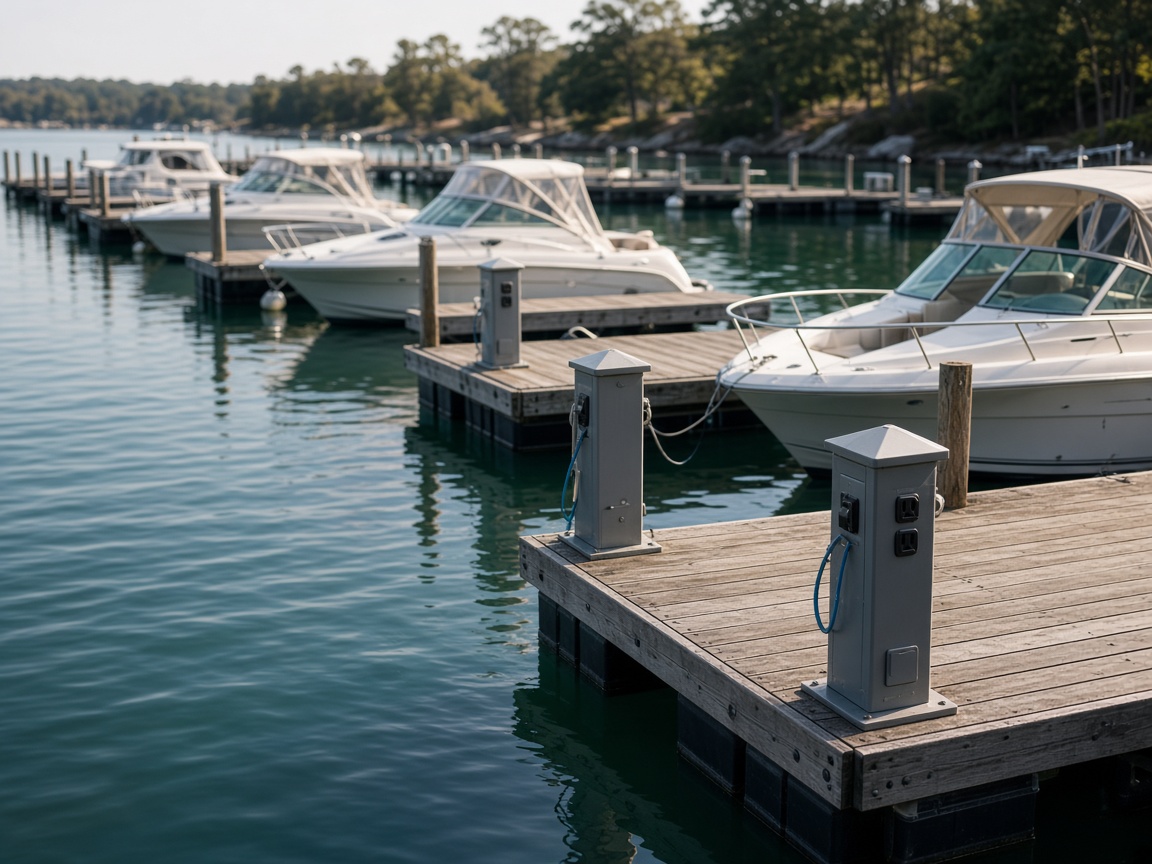
Marinas & harbours
Slips that meter electric and water
Pedestal kWh and lateral m³ on one invoice. Tenants see the same lines your finance team can defend.

PulseMDM
PulseMDM turns electric and water meters into published-rate bills, a white-label portal tenants can pay, and a private ops desk your staff controls — without becoming a shadow utility.
Who it's for
If you own the meters, the slips, or the estate, PulseMDM gives you one place to prove usage, bill fairly, and get paid.
Marinas & harbours
Pedestal kWh and lateral m³ on one invoice. Tenants see the same lines your finance team can defend.

Estates & multi-unit
Allocate published utility rates per unit, add a flat CMS fee per meter, and keep medical loads locked against remote cutoff.
Campuses & parks
Staff review intervals, invoices, and notices from a private desk. Tenants never see each other’s accounts.
Licensed utilities
Cost-allocation sites pass through published rates. Licensed utilities bill on their own tariffs — same product, their rules.
Why operators switch
Most sites still stitch LoRa dumps, AMI files, and spreadsheet bills. Tenants argue the numbers. Staff chase payments by email.
How it works
Four steps your operations team can walk a prospect through in one conversation.
LoRaWAN, AMI, MultiSpeak, CIM, DLMS, or CSV — readings land as intervals for electric kWh and water m³.
VEE flags rollovers, spikes, and gaps. Estimates stay labeled so billing never invents quiet certainty.
Bill runs reprint published utility pass-through, the IoT Connect CMS fee per meter, and local tax on a formal invoice.
Tenants pay in the portal. Dunning creates portal notices. Staff can queue simulated disconnects with medical and window gates.
What you meter
One multi-tenant platform for estates, marinas, campuses, and licensed utilities — not a patchwork of spreadsheets and shadow tariffs.
Electrical
LoRa and AMI electric meters on pedestals, estates, and commercial submeters. Interval kWh, TOU-ready history, and Class C breaker control with medical lockouts.
Water
Ultrasonic and AMI water meters for laterals, slips, and multi-unit sites. Cumulative m³ with remote valve status on the same CMS path as electric.
Platform
PulseMDM is the operating system behind the meters — ingest through collect — with tenant and staff surfaces kept apart.
Generic JSON, The Things Stack, ThingPark, MultiSpeak SOAP, CIM XML, DLMS with OBIS gates, and CSV batch uploads.
Quality flags, estimate labels, and a hash chain so disputes start from evidence — not a regenerated spreadsheet.
Cost allocation reprints utility lines. No private volumetric or kWh markup. CMS is a flat fee per active meter.
White-label burn, Pay Now, and optional PWA notices. The public website never installs an app — the customer portal does.
Charge Anywhere and Authorize.net paths. Empty keys stay honest: staging logs only; production reports not configured until you set them.
Simulated Class C queue today. Medical lockouts, notice counts, and daytime windows before any live radio work.
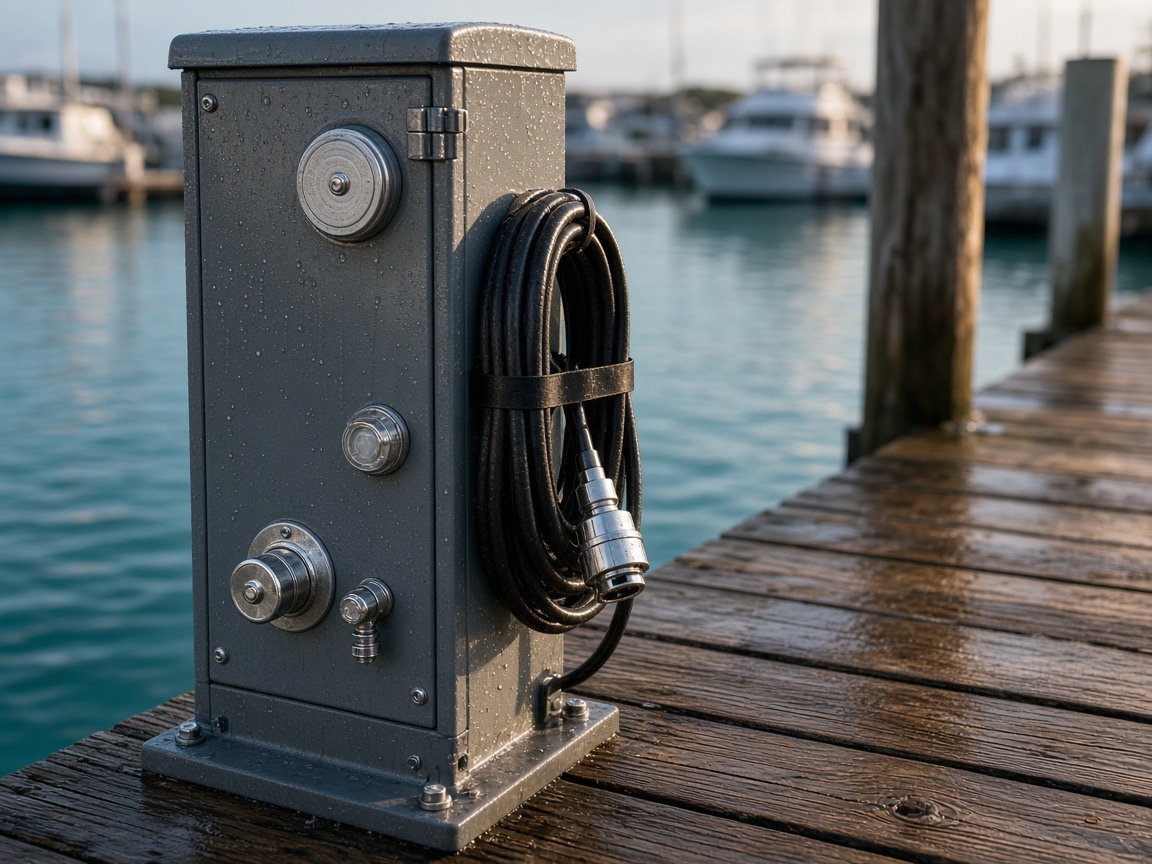
Invoices reprint the electric and water utility lines, the IoT Connect CMS fee per meter, and local tax. Licensed utilities keep their own tariff mode.

Staff work from a separate desk. Tenants never share meters or invoices. Medical loads stay locked against remote cutoff.
Cost allocation
Clear lines your residents and slip holders can understand — and your finance team can defend.
Next step
Share how many electric and water points you run, how readings arrive today, and whether tenants already pay online. We will map PulseMDM to your site and show the portal path.